










January 19, 2012
Network Theory Data Link Leave a comment
January 18, 2012
Network Theory 1000Base-CX, 1000Base-LX, 1000Base-SX, 1000Base-T, 1000Base-ZX, 100Base-FX, 100Base-TX, 10Base-T, 10Gbase-ZR, 802.11, 802.15, 802.16, Access Point, bit, Bluetooth, byte, coaxial cable, code group, Connector, copper cable, CSMA/CA, Encoding, FastEthernet, Fiber Connector, fiber optic cable, GigabitEthernet, goodput, GSM, Manchester Encoding, media, medium, MMF, NRZ, Physical Layer, RJ-45, signaling, SMF, STP, t568A, T568B, throughput, UTP, wi-fi, wireless, Wireless Adapter Leave a comment
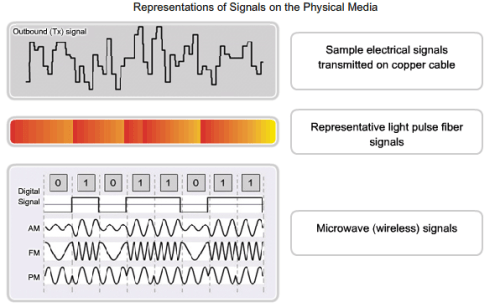
The purpose of the Physical layer is to create the electrical, optical, or microwave signal that represents the bits in each frame
Pengiriman Frame dari Data Link ke local medium membutuhkan persyaratan dari Physical Layer berikut :
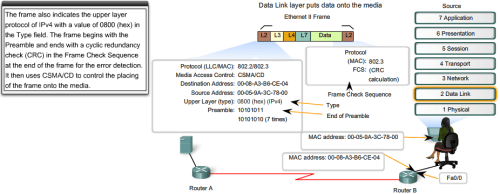
At this stage of the communication process, the user data has been segmented by the Transport layer, placed into packets by the Network layer, and further encapsulated as frames by the Data Link layer
There are three basic forms of network media on which data is represented:
Similar to technologies associated with the Data Link layer, the Physical layer technologies are defined by organizations such as:
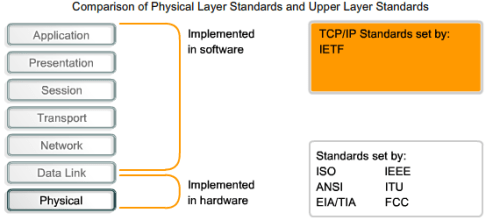
The technologies defined by these organizations include four areas of the Physical layer standards:
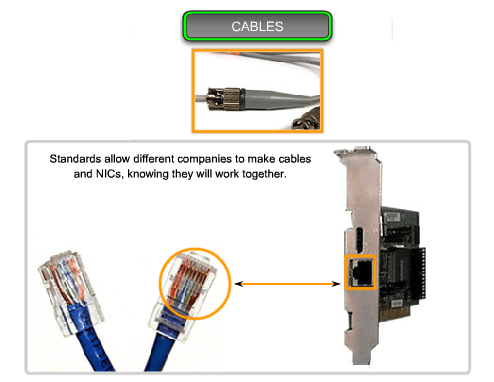
The three fundamental functions of the Physical layer are:
Physical Components: ’nuff said
Data Encoding: Encoding is a method of converting a stream of data bits into a predefined code. Codes are groupings of bits used to provide a predictable pattern that can be recognized by both the sender and the received. Using predictable patterns helps to distinguish data bits from control bits and provide better media error detection
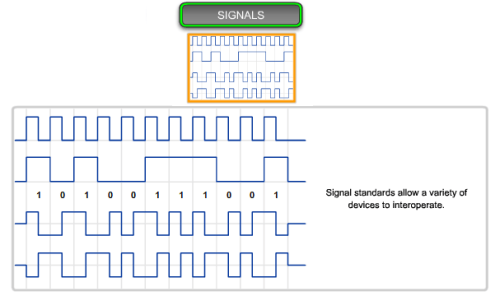
Signaling: The method of representing the bits is called the signaling method, The Physical layer must generate the electrical, optical, or wireless signals that represent the “1” and “0” on the media. (1 = Adanya Listrik alias NYALA, 0 = tidak ada nya listrik alias MATI)
Beberapa cara untuk merepresentasikan sinyal ke medium:
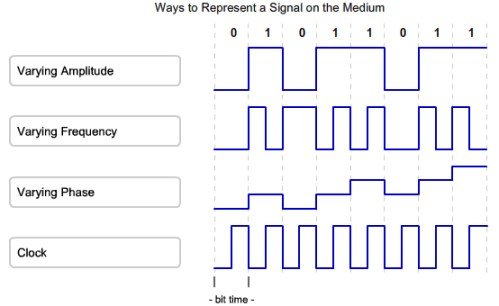
Signaling
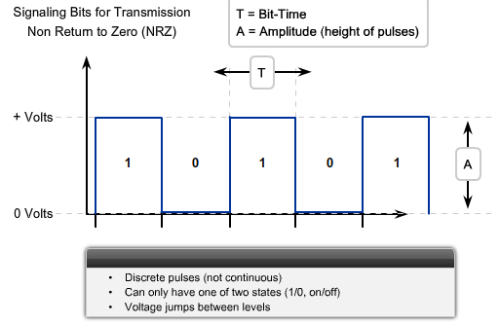
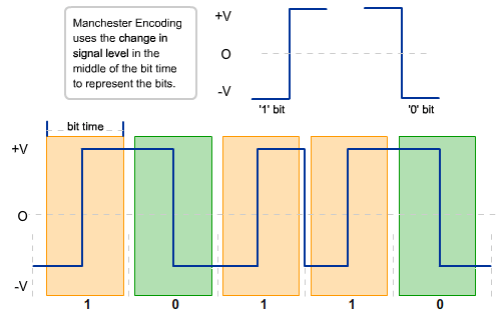
Mengenali Signal Frame dari data link layer
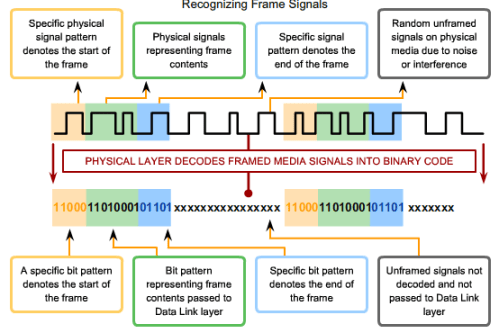
A code group is a consecutive sequence of code bits that are interpreted and mapped as data bit patterns. For example, code bits 10101 could represent the data bits 0011.
Encoding techniques use bit patterns called symbols. The Physical layer may use a set of encoded symbols – called code groups – to represent encoded data or control information
By transmitting symbols, the error detection capabilities and timing synchronization between transmitting and receiving devices are enhanced
Advantages using code groups include:
The code groups have three types of symbols:
The symbols encoded onto the media are all unique. The symbols representing the data being sent through the network have different bit patterns than the symbols used for control. These differences allow the Physical layer in the receiving node to immediately distinguish data from control information.
*Intinya dari code group adalah (klo bingung) setiap transmisi data kan pake listrik (contohnya), nah transmisi listrik itu kan “kedap-kedip” tuh…nyala-mati nyala-mati gitu, nah simbol2 untuk nyala dan mati itu 1 dan 0, klo kebanyakan 1 aliasnyala mulu….panas bisa medianya, klo 0 mulu…mati doooonkk, intinya code group ini untuk ENSURE connectivity.
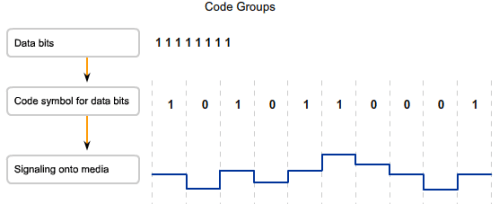
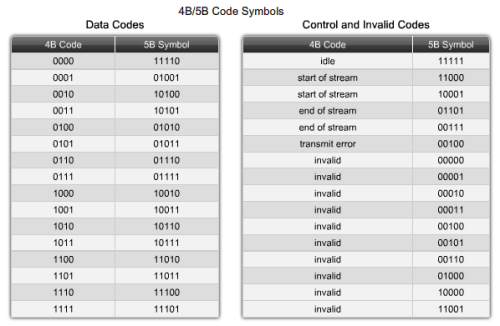
Contoh code group 4b/5b (jujur..gw ga ngerti…wakakak)
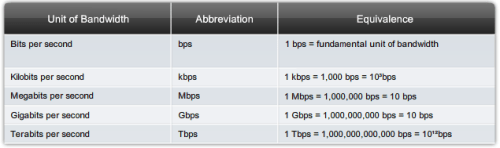
Bermain di physical layer berarti kita bermain di bits
BITS = 1 & 0
BYTES = 8 BIT
And the rest are…
The practical bandwidth of a network is determined by a combination of factors:
Physical media properties, current technologies, and the laws of physics all play a role in determining available bandwidth
Throughput is the measure of the transfer of bits across the media over a given period of time. Due to a number of factors, throughput usually does not match the specified bandwidth in Physical layer implementations such as Ethernet.
Goodput is the measure of usable data transferred over a given period of time, and is therefore the measure that is of most interest to network users. goodput measures the effective transfer of user data between Application layer entities, such as between a source web server process and a destination web browser device.
Unlike throughput, which measures the transfer of bits and not the transfer of usable data, goodput accounts for bits devoted to protocol overhead. Goodput is throughput minus traffic overhead for establishing sessions, acknowledgements, and encapsulation.
As an example, consider two hosts on a LAN transferring a file. The bandwidth of the LAN is 100 Mbps. Due to the sharing and media overhead
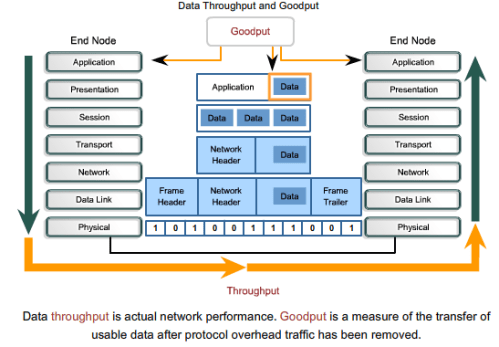
Jadi sebenernya….yg kita bilang cepet nih bandwidthnya, cepet nih transfer datanya…itu adalah Goodput (kita biasa bilang throughput malah). Aktual dari sesi kirim2an datanya adalah throughput
Tipe Media
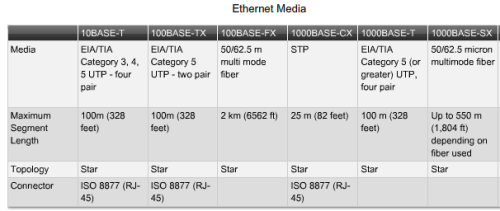
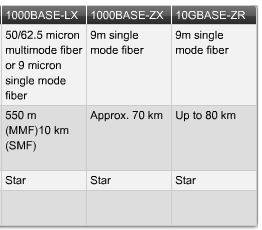
Yang sering kita pake di LAN adalah FastEthernet 100Base-TX (NRZ Encoding), 10BASE-T hanya bisa mentransfer 10Mbit/s walau dengan jarak tempuh yang sama dengan 100Base-TX (yaitu 100 meter)
Sedang 100Base-FX itu adalah kabel fiber optic
1000Base-CX adalah GigabitEthernet (klo FastEthernet biasa kan dari 8 kabel hanya 4 kabel yg dipakai buat tuker2an data / transmisi data, klo Gigabit…8-8 nya dipakai, FastEthernet menggunakan UTP[Unshielded Twisted Pair], sedang 1000Base-CX menggunakan STP /kebalikannya UTP), tipe kabel ini masi dipakai, contoh: IBM Blade Server dengan switching mereka (transmisi tinggi dan jarak yang pendek memungkinkan mereka untuk ensure connectivity, reliability, and speed)
1000Base-T adalah GigabitEthernet JUGA..hanya dengan kabel UTP
1000Base-SX, 1000Base-LX, 1000Base-ZX, 10GBase-ZR adalah kabel fiber optic (yang membedakan adalah metode pengiriman signal pada kabel fiber optic dan besarnya kabel fiber optic itu sendiri)
*GW POSTING INI PAS WIKIPEDIA LAGI BLACKOUT…ASUUU…..FUCK SOPA !!!
*catatan:
*dalam teknik mensinyalan di fiber optic, rumit..penuh dengan hukum fisika, ada Helmholtz equation, ada Maxwell’s equations, cari sendiri dah 😆
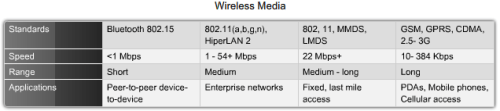
MMDS: Multipoint Multichannel Distribution Service / BRS (Broadband Radio Service)
LMDS: Local Multichannel Distribution Service
penjelasannya dibawah ^_^
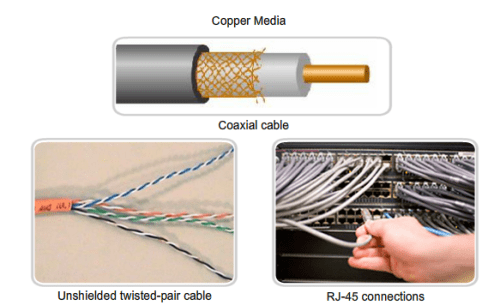
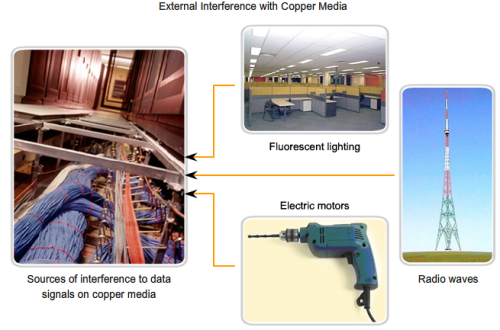
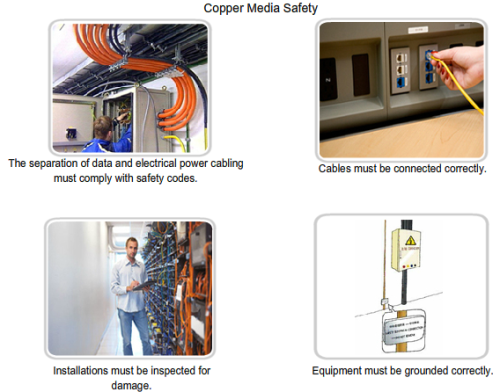
Cable types with shielding or twisting of the pairs of wires are designed to minimize signal degradation due to electronic noise.
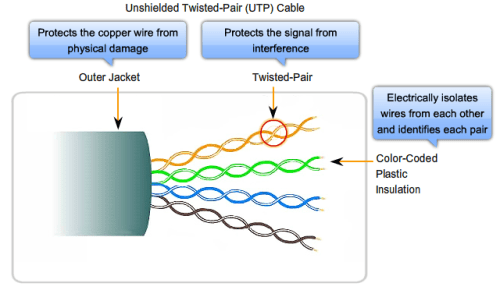
UTP Cable
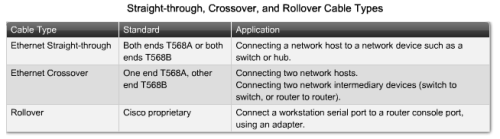
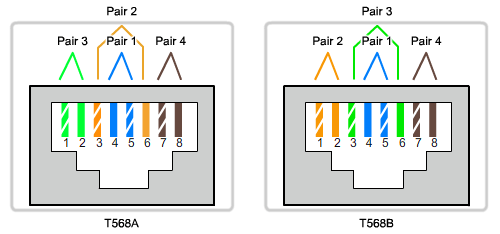
TIA/EIA-568 alias T568A & T568B
Coaxial Cable
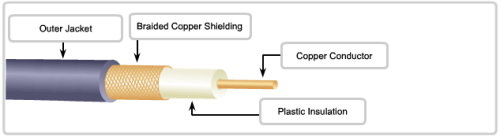
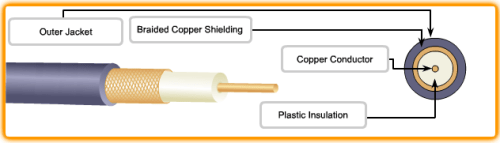
Coaxial is also the most widely used media for transporting high radio frequency signals over wire, especially cable television signals. Traditional cable television, exclusively transmitting in one direction, was composed completely of coax cable.
Untuk Cable ISP, main backbone nya memakai fiber optic, hanya saja, di customer location (modem) dan wiring inside customer’s premises (router / alat ISP yang provide internet ke Modem-nya LANGSUNG) tetap memakai coaxial. Ini yang dinamakan Hybrid Fiber Coax (HFC)
STP
Shielded Twisted Pair ini walaupun sudah digantikan fungsinya dengan UTP, tapi beberapa perusahaan masih ada yang memakai STP (contoh: IBM)
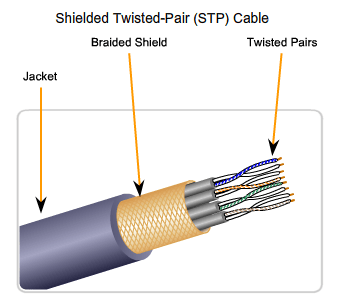
STP cable shields the entire bundle of wires within the cable as well as the individual wire pairs. STP provides better noise protection than UTP cabling, however at a
significantly higher price.
Fiber Optic
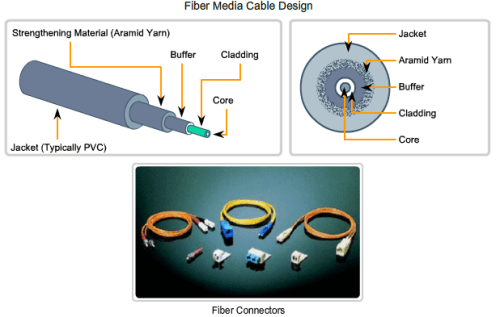
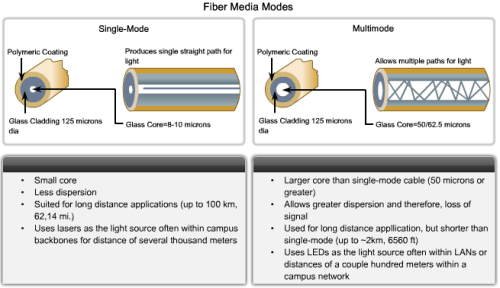
Given that the fibers used in fiber-optic media are not electrical conductors, the media is immune to electromagnetic interference and will not conduct unwanted electrical currents due to grounding issues. Because optical fibers are thin and have relatively low signal loss, they can be operated at much greater lengths than copper media, without the need for signal regeneration. Some optical fiber Physical layer specifications allow lengths that can reach multiple kilometers.
Optical fiber media implementation issues include:
At present, in most enterprise environments (mainly ISP), optical fiber is primarily used as backbone cabling for high-traffic point-to-point connections between data distribution facilities and for the interconnection of buildings in multi-building campuses. Because optical fiber does not conduct electricity and has low signal loss, it is well suited for these uses.
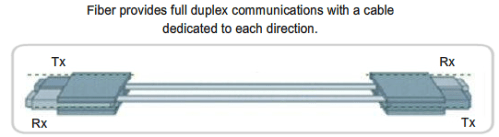
Karena serat fiber optic HANYA BISA mentransmit cahaya SATU arah, maka untuk full duplex mode harus membutuhkan 2 serat fiber
Multimode fiber, and the LED light source used with it, is cheaper than single-mode fiber and its laser-based emitter technology.
Wireless
The IEEE and telecommunications industry standards for wireless data communications cover both the Data Link and Physical layers. Four common data communications standards that apply to wireless media are:
Other wireless technologies such as satellite communications provide data network connectivity for locations without another means of connection. Protocols including GPRS enable data to be transferred between earth stations and satellite links.
In each of the above examples, Physical layer specifications are applied to areas that include:
A common wireless data implementation is enabling devices to wirelessly connect via a LAN. In general, a wireless LAN requires the following network devices:
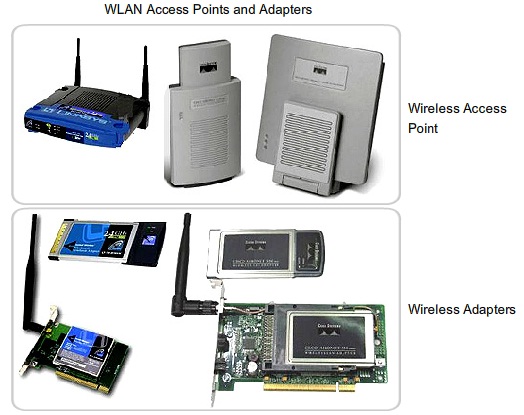
Wireless Wi-Fi Standard
The benefits of wireless data communications technologies are evident, especially the savings on costly premises wiring and the convenience of host mobility. However, network administrators need to develop and apply stringent security policies and processes to protect wireless LANs from unauthorized access and damage
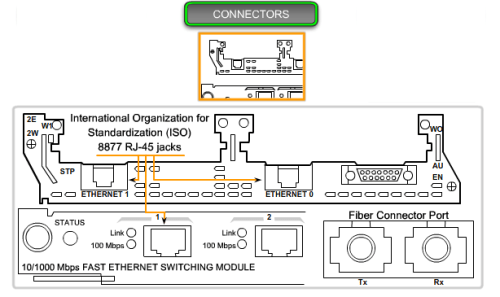
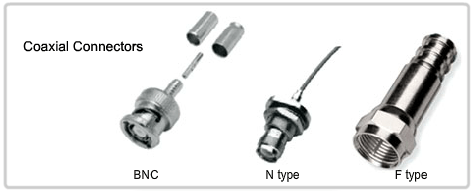
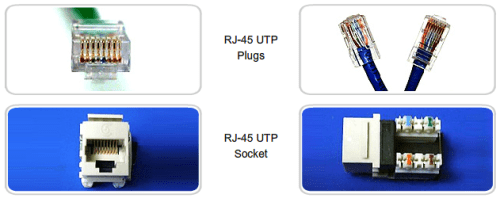
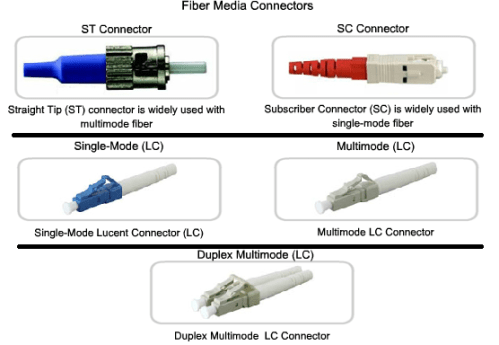
Connector

 Miftah Rahman (Go)-Blog